
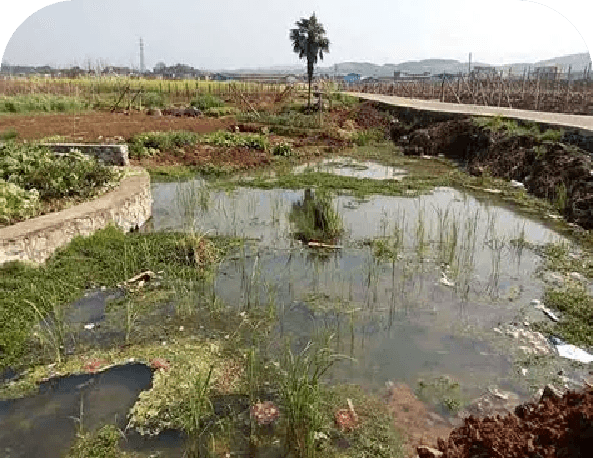
Soil and Environmental Pollution: The Crisis and Pathways to Restoration
Soil pollution represents one of the most pervasive yet under-acknowledged threats to planetary health and human well-being. Often called a "silent crisis," it operates out of sight, accumulating gradually and insidiously, yet its consequences are profound and long-lasting. As the ultimate repository for a vast array of contaminants, polluted soil ceases to function as a life-giving medium and instead becomes a toxic reservoir that poisons food chains, pollutes water resources, devastates biodiversity, and endangers human health. Understanding the pathways, impacts, and solutions to soil pollution is therefore a critical imperative for environmental protection.
1. Defining the Problem: Nature and Sources of Soil Contaminants
Soil pollution is defined as the presence of toxic chemicals, materials, or biological agents in soil at concentrations that pose a risk to ecosystems and human health. Unlike air or water pollution, contaminants in soil are less mobile and can persist for decades or even centuries. The primary sources are anthropogenic:
- Industrial Activities: Heavy metals (lead, cadmium, arsenic, mercury) from mining, smelting, and manufacturing; persistent organic pollutants (POPs) like dioxins and PCBs from chemical production; and hydrocarbons from petroleum spills and leaks. Industrial waste disposal, both legal and illegal, is a major point-source contributor.
- Agricultural Practices: The over-application or mismanagement of agrochemicals is a leading diffuse source. This includes:
- Pesticides and Herbicides: Many are persistent, bioaccumulative, and toxic to non-target organisms, including soil microbiota, pollinators, and predators.
- Synthetic Fertilizers: Excess phosphorus and nitrogen can alter soil chemistry and, through runoff, cause eutrophication in water bodies. They can also contribute to soil acidification.
- Contaminated Amendments: The use of sewage sludge or manure containing heavy metals, pharmaceuticals, or pathogens can introduce pollutants.
- Improper Waste Management: Landfills, especially unlined or poorly managed ones, leach a complex cocktail of contaminants (organic compounds, heavy metals, microplastics) into surrounding soils and groundwater. Electronic waste (e-waste) dismantling sites are hotspots for severe metal contamination.
- Atmospheric Deposition: Airborne pollutants from industrial emissions, vehicle exhaust, and fossil fuel combustion—including heavy metals, polycyclic aromatic hydrocarbons (PAHs), and acidifying compounds like sulfur and nitrogen oxides—settle onto soils over vast areas, a process known as "atmospheric fallout."
2. The Cascading Consequences of Soil Pollution
The impacts of soil pollution radiate through ecological systems and human societies:
2.1 Ecological Degradation
- Loss of Biodiversity and Soil Function: Toxic substances can decimate the soil food web, killing essential decomposers, nitrogen-fixing bacteria, and mycorrhizal fungi. This collapse in biodiversity impairs nutrient cycling, organic matter decomposition, and soil structure formation, crippling the soil's fundamental ecological functions.
- Bioaccumulation and Biomagnification: Pollutants like heavy metals and POPs are absorbed by plants and small organisms. They then accumulate and concentrate up the food chain, reaching toxic levels in predators, including birds, mammals, and humans. Ground and Surface Water Contamination: Soluble pollutants (e.g., nitrates, certain pesticides) leach through the soil profile, contaminating groundwater—a critical drinking water source. Polluted runoff carries soil-bound contaminants into rivers, lakes, and coastal zones.
2.2 Threats to Food Security and Human Health
Crop Contamination: Plants can uptake heavy metals and organic contaminants, introducing them directly into the human diet. This poses risks of chronic diseases, including cancers, neurological disorders, kidney damage, and developmental problems. Reduced Agricultural Productivity: Beyond toxicity, pollution can alter soil pH, reduce fertility, and inhibit plant growth, directly threatening crop yields and food production resilience.
2.3 Economic and Social Costs
Cleaning up polluted soils (remediation) is technically complex and prohibitively expensive. Contaminated land, or "brownfields," loses economic value, blights communities, and can lead to social injustice when located disproportionately in marginalized areas.
3. Integrated Strategies for Mitigation and Remediation
Addressing soil pollution requires a multi-pronged strategy focused on prevention, control, and restoration:
3.1 Prevention and Source Control (The Most Effective Strategy)
- Strengthening Regulations: Implementing and enforcing strict regulations on industrial emissions, waste disposal, and the use of hazardous chemicals in agriculture (e.g., banning highly hazardous pesticides).
- Promoting Cleaner Production: Encouraging circular economy principles to minimize waste and the use of toxic substances in manufacturing.
- Adopting Sustainable Agriculture: Transitioning to integrated pest management (IPM), precision farming (to minimize chemical use), and organic practices to eliminate synthetic chemical inputs.
3.2 Monitoring, Assessment, and Mapping
National Soil Monitoring Networks: Establishing systematic, long-term programs to test soils for key contaminants, identify hotspots, and track trends. Risk-Based Land Management: Developing detailed soil contamination maps to guide land-use planning, ensuring, for example, that polluted sites are not used for residential development or food production.
3.3 Remediation and Restoration Technologies
Physical/Chemical Methods: Techniques like soil washing, thermal desorption, or solidification are effective for severe, localized contamination but are often energy-intensive and destructive to soil biology. Biological Methods (Bioremediation and Phytoremediation): These are more sustainable, lower-cost approaches. Bioremediation: Uses native or introduced microorganisms (bacteria, fungi) to degrade organic pollutants (e.g., oil, pesticides) into harmless compounds. Phytoremediation: Uses specific plants to extract, degrade, or stabilize contaminants. "Hyperaccumulator" plants can remove heavy metals; deep-rooted plants can break down organic pollutants.
3.4 Policy and Global Frameworks
Integrating soil pollution control into international agreements on chemicals (e.g., Stockholm Convention on POPs), biodiversity, and sustainable development is essential. The "polluter pays" principle must be robustly applied to hold responsible parties accountable for cleanup.
Conclusion: From Sink to Source of Renewal
Soil pollution starkly illustrates the consequences of treating the Earth's living skin as a limitless waste sink. Reversing this crisis demands a paradigm shift from pollution-based to pollution-preventive models of industry and agriculture. Investing in soil decontamination and protection is not merely an environmental cleanup cost but a foundational investment in public health, food sovereignty, clean water, and functional ecosystems. By harnessing science, enforcing responsible policy, and promoting sustainable practices, we can transform polluted soils from toxic liabilities back into the fertile, life-sustaining foundations they were meant to be. The fight against environmental pollution is, fundamentally, a fight for the health of our soil.